How to Dress Better Without Spending Too Much Money
Dressing better does not always mean buying expensive clothes. Good style is more about choosing the right fit, wearing clean outfits, matching colors wisely, and using simple pieces in smart ways. You can look stylish, confident, and well-dressed without spending too much money.
Many people think they need a large wardrobe to improve their style, but the truth is different. A few useful basics, proper outfit planning, and small styling changes can make a big difference. You can upgrade your everyday look by learning how to wear what you already own and shopping only for pieces that truly add value to your wardrobe.
In this guide, you will learn practical and budget-friendly fashion tips to dress better without overspending.
1. Start with What You Already Own
Before buying new clothes, check your current wardrobe. Many people already have useful clothing pieces but do not style them properly. Take out your shirts, jeans, trousers, dresses, jackets, shoes, and accessories. Look at what still fits well, what looks clean, and what can be styled in new ways.
You may find basic items like plain T-shirts, blue jeans, black trousers, white shirts, or simple jackets that can create many outfits. Instead of shopping first, try creating new combinations from these pieces.
For example, a white shirt can be worn with jeans for a casual look, trousers for a smart look, or layered under a sweater for a more polished outfit.
2. Focus on Fit Before Price
One of the easiest ways to dress better is to wear clothes that fit properly. Even affordable clothes can look stylish when they fit well. On the other hand, expensive clothes can look untidy if they are too tight, too loose, or uncomfortable.
Pay attention to the shoulders, waist, sleeves, and length. Shirts should sit properly on your shoulders. Pants should feel comfortable around your waist. Dresses and tops should allow easy movement.
You do not need perfect tailoring for every outfit, but the clothes should look neat and balanced on your body. A good fit instantly makes your style look more intentional.
3. Build a Wardrobe with Basic Pieces
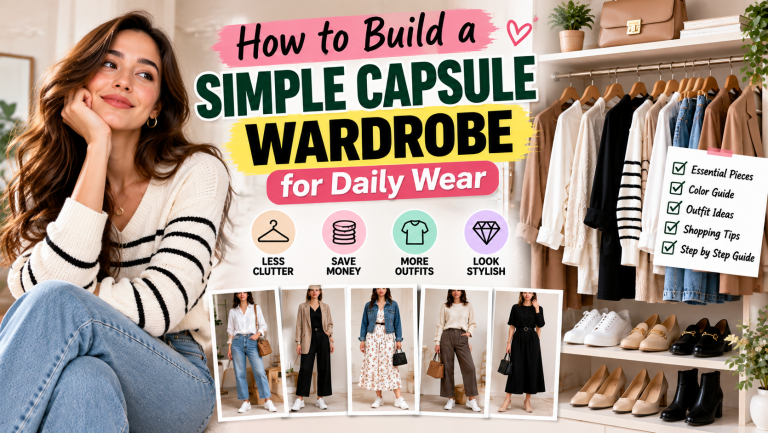
Basic clothing items are the foundation of good style. They are simple, easy to match, and useful for many occasions. When you have the right basics, you do not need to buy new clothes every week.
Some helpful wardrobe basics include:
White T-shirt
Black T-shirt
Plain button-down shirt
Blue jeans
Black trousers
Neutral blazer
Denim jacket
Comfortable sneakers
Simple sandals or loafers
Everyday handbag or backpack
These items can be mixed and matched in many ways. A basic wardrobe helps you dress better while spending less because each item can be used again and again.
4. Choose Neutral Colors
Neutral colors make dressing easier and more affordable. Colors like black, white, beige, grey, navy, cream, and brown can be matched with many other colors. This means you can create more outfits with fewer clothes.
For example, black trousers can work with a white shirt, beige top, grey sweater, or navy blazer. Blue jeans can work with almost any basic shirt or jacket.
Neutral outfits also look clean and elegant. Once you have a strong base of neutral pieces, you can add color through scarves, shoes, bags, or small accessories.
5. Buy Clothes That Match Your Existing Wardrobe
A common shopping mistake is buying clothes that look nice in the store but do not match anything at home. This leads to more spending because you need more items to complete the outfit.
Before buying anything, ask yourself: “Can I style this with at least three things I already own?” If the answer is yes, it may be a useful purchase. If not, it may stay unused in your wardrobe.
For example, a beige blazer can match jeans, black trousers, dresses, and white shirts. A very unusual printed jacket may be harder to style and may not be worth the money.
6. Use Accessories to Upgrade Simple Outfits
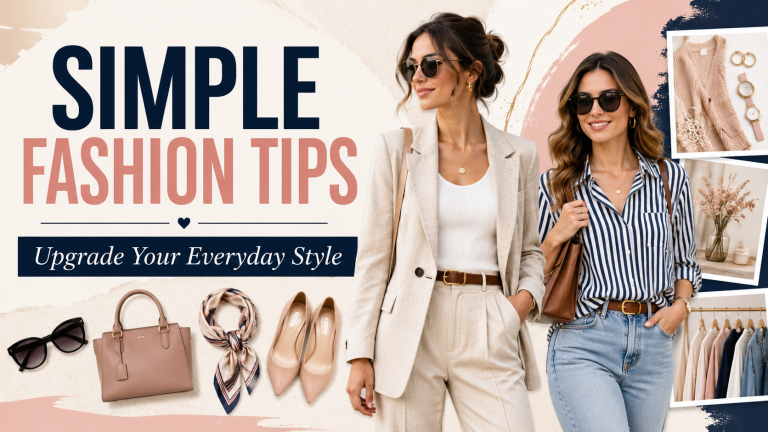
Accessories are a budget-friendly way to improve your style. A simple outfit can look more complete with the right bag, belt, watch, scarf, sunglasses, or jewelry.
You do not need expensive accessories. Choose clean and simple pieces that match many outfits. A black belt, small earrings, neutral handbag, or printed scarf can upgrade your look without requiring a full wardrobe change.
For example, a plain white T-shirt and jeans can look more stylish with a belt, sunglasses, clean sneakers, and a structured bag.
7. Keep Your Shoes Clean
Shoes are an important part of your outfit. Clean shoes can make affordable clothes look more polished. Dirty or damaged shoes can make even a good outfit look unfinished.
You do not need many pairs of shoes. A few practical options are enough:
White sneakers for casual outfits
Black shoes for smart-casual looks
Comfortable sandals for warm weather
Neutral flats or loafers for daily use
Take care of your shoes by cleaning them regularly and storing them properly. This small habit can improve your overall appearance.
8. Learn Simple Color Matching
You do not need advanced fashion knowledge to match colors well. Start with simple combinations that always look good.
Easy color combinations include:
White and blue
Black and beige
Grey and white
Cream and brown
Navy and white
Olive and beige
Black and grey
Try to keep your outfit limited to two or three main colors. This makes your look cleaner and easier to style. If your clothes are neutral, you can add one bright color through an accessory.
9. Repeat Outfits in Smart Ways
Repeating outfits is normal. Stylish people repeat clothes all the time, but they make small changes to keep the look fresh.
You can repeat the same jeans and shirt but change the shoes, bag, jacket, or accessories. A black dress can look casual with sneakers and a denim jacket, or more elegant with simple jewelry and dressier shoes.
Instead of buying more clothes, learn how to restyle your favorite pieces. This saves money and helps you understand your personal style better.
10. Shop with a Plan
Budget shopping works best when you have a plan. Do not shop only because something is on sale. A discounted item is not a good deal if you never wear it.
Before shopping, make a list of what your wardrobe actually needs. Maybe you need one good pair of trousers, a plain white shirt, or comfortable shoes. Focus on useful pieces first.
Avoid buying too many trendy items. Trends change quickly, but basics can be worn for years. Spend your money on clothes that are comfortable, versatile, and easy to style.
11. Take Care of Your Clothes
Taking care of your clothes helps them last longer, which saves money. Wash clothes according to the care label, avoid over-washing delicate items, and store clothes neatly.
Iron or steam wrinkled clothes before wearing them. A clean, wrinkle-free outfit always looks better, even if it is simple.
Also, repair small issues when possible. A loose button, small tear, or minor stitching problem does not always mean you need to throw the item away. Fixing clothes can extend their life and reduce unnecessary spending.
12. Try Layering
Layering can make basic outfits look more stylish. A plain T-shirt can look better with a blazer, denim jacket, cardigan, or open shirt. Layering adds depth to your outfit without needing expensive clothes.
Simple layering ideas include:
T-shirt with blazer
Dress with denim jacket
Shirt over a basic top
Sweater over a collared shirt
Cardigan with jeans
Layering is also practical because it helps you adjust your outfit for different weather and occasions.
13. Avoid Buying Clothes Only for One Event
Buying clothes for one event can become expensive. Instead, choose pieces that can be worn again in different ways.
For example, instead of buying a very bold outfit for one dinner, choose a simple dress or shirt that can be styled casually later. A neutral blazer, black trousers, or plain dress can work for many occasions with different accessories.
The goal is to buy clothes that give you more than one outfit option.
14. Mix Affordable Pieces with One Polished Item
You do not need a full expensive outfit to look stylish. One polished item can improve the entire look. This could be a structured bag, clean blazer, good shoes, or neat watch.
For example, a basic T-shirt and jeans can look better with a fitted blazer. A simple dress can look more elegant with clean shoes and a structured handbag.
This method helps you dress better without spending money on every part of the outfit.
15. Choose Comfort and Confidence
The best outfit is not always the most expensive one. It is the one that makes you feel comfortable and confident. If your clothes are too tight, difficult to walk in, or not your style, you may not feel good wearing them.
Choose clothes that suit your lifestyle. If you walk a lot, invest in comfortable shoes. If you work in an office, focus on neat shirts and trousers. If you prefer casual outfits, build your wardrobe around jeans, T-shirts, jackets, and sneakers.
Good style should support your daily life, not make it harder.
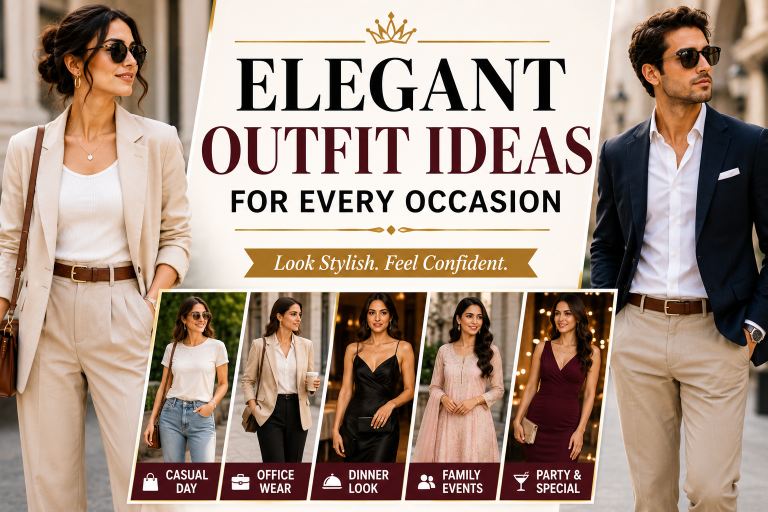
Budget-Friendly Outfit Ideas
Casual Everyday Outfit
Wear a plain T-shirt with blue jeans and clean sneakers. Add a watch, small bag, or sunglasses for a more complete look.
Smart-Casual Outfit
Pair a white button-down shirt with black trousers and loafers. Add a belt and simple accessories for a polished appearance.
Weekend Outfit
Try a denim jacket with a basic top and straight-leg pants. This look is comfortable, simple, and easy to wear.
Work Outfit
Wear neutral trousers with a clean shirt and blazer. Choose simple shoes and minimal accessories for a professional look.
Travel Outfit
Choose soft trousers, a breathable T-shirt, lightweight jacket, and comfortable sneakers. Keep the outfit practical but neat.
Common Budget Fashion Mistakes to Avoid
Do not buy clothes only because they are cheap. If they do not fit well or match your wardrobe, they may waste your money.
Do not ignore fabric quality. Some affordable clothes can look good, but very poor fabric may lose shape quickly.
Do not buy too many trend-based items. A few trendy pieces are fine, but your wardrobe should mostly include versatile basics.
Do not forget grooming. Clean hair, neat nails, fresh clothes, and clean shoes can make simple outfits look much better.
Do not compare your wardrobe with others. Personal style is about what works for you.
Conclusion
Dressing better without spending too much money is completely possible. You do not need a luxury wardrobe to look stylish. By focusing on fit, basics, neutral colors, clean shoes, smart accessories, and careful shopping, you can improve your style on a budget.
Start with the clothes you already own, create new combinations, and only buy pieces that match your lifestyle. When your wardrobe is simple, useful, and well-organized, dressing well becomes easier and more affordable.
A stylish look is not about how much money you spend. It is about how wisely you choose, style, and care for your clothes.
FAQs
How can I dress better on a low budget?
You can dress better on a low budget by wearing clothes that fit well, choosing neutral colors, using simple accessories, keeping shoes clean, and buying versatile basics.
Do I need expensive clothes to look stylish?
No, expensive clothes are not necessary. Affordable clothes can look stylish when they fit properly, are clean, and are styled well.
What clothes should I buy first on a budget?
Start with basics such as plain T-shirts, blue jeans, black trousers, a white shirt, neutral shoes, and a simple jacket or blazer.
How can I make cheap clothes look expensive?
Choose good-fitting pieces, iron your clothes, keep your shoes clean, use simple accessories, and avoid outfits with too many colors or prints.
Is it okay to repeat outfits?
Yes, repeating outfits is normal. You can make repeated outfits look different by changing shoes, jackets, bags, scarves, or accessories.